
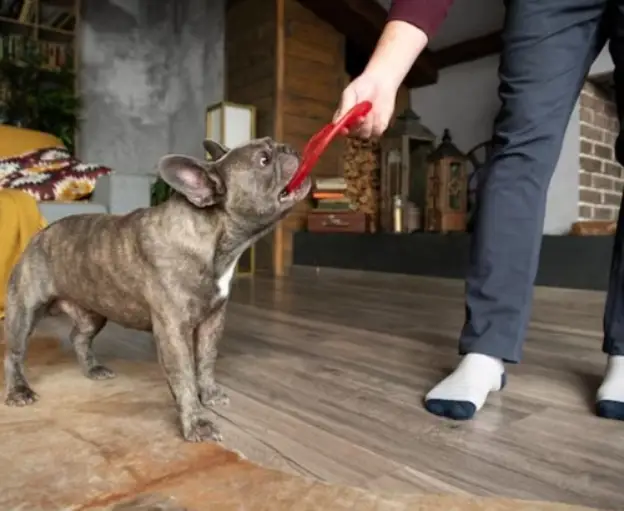
Should You Wake Your Puppy at Night to Go Potty? Here’s What Most Owners Get Wrong
The first night with a new puppy is rarely as peaceful as people imagine. One minute you’re watching them sleep, and the next you’re wondering if you should wake them before they have an accident. It is a question that comes up again and again, and there is no single answer that fits every puppy. Age matters. Routine matters. Even the day’s excitement can change how the night goes. If you’re searching for French Bulldog Puppies in Ohio, it helps to know that house training is usually a series of small wins instead of one big breakthrough. Understanding what your puppy is ready for makes those early weeks much less stressful for both of you.
Why Nighttime Potty Training Causes So Much Confusion
The first few nights with a new puppy rarely go exactly as planned. You set up the crate, follow the advice you’ve read, and then lie awake wondering whether you should wake your puppy for a bathroom break or let them sleep. It is one of the questions almost every new owner asks, and the answer depends far more on the puppy than on the clock. Families searching for French Bulldog Puppies in Ohio often expect a simple rule that applies to every puppy, but house training is never that predictable. A good routine matters, yet learning to read your puppy’s habits matters even more.
Should You Wake Your Puppy or Let Them Sleep?
Many owners set alarms every two or three hours because they are afraid an accident will undo all their progress. In most cases, that approach creates more disruption than benefit. Sleep is important for growing puppies. Their bodies and brains are developing quickly, and long stretches of quality rest are part of that process. If your puppy settles comfortably after the last trip outside, there is usually no reason to interrupt that sleep just because the timer says it is time. A puppy that wakes on their own, becomes restless, circles, or whines quietly is giving you far more useful information than any schedule ever could.
Let Your Puppy’s Age Guide Your Routine
Age plays a bigger role than many people realize. An eight-week-old puppy simply cannot hold their bladder as long as one that is four or five months old. That does not mean every young puppy needs identical nighttime routines, though. Some naturally wake once before morning, while others may need an extra trip outside for a few weeks. The goal is not to eliminate nighttime potty breaks overnight. The goal is to gradually help your puppy build confidence and bladder control without creating unnecessary interruptions. That progress happens steadily when daily routines stay consistent.
Apartment Living Requires Extra Consistency
Apartment living adds another layer to the process because getting outside is rarely as simple as opening the back door. Elevators, stairs, hallways, and longer walks all eat into the few moments you have before an accident happens. That is why planning becomes so valuable. Owners working through potty training a dog in an apartment often have the best results when feeding times, bedtime, and the final evening potty trip happen at nearly the same time every day. Puppies thrive on repetition because they quickly begin to predict what comes next.
Small Habits Make a Big Difference
Good nighttime routines are usually built from small decisions rather than complicated training methods.
● Take your puppy outside immediately before bed.
● Keep nighttime bathroom trips calm and quiet.
● Avoid games or extra excitement during overnight outings.
● Praise successful potty trips with a calm voice before heading back inside.
● Make sure the sleeping area is comfortable without giving your puppy more space than they need.
None of these habits feels dramatic on its own, but together they create the consistency that puppies learn from surprisingly quickly.
Progress Is Rarely Perfect
One accident after several successful nights can feel discouraging, but it is rarely a sign that something has gone wrong. Puppies go through growth spurts, drink more water after active evenings, become excited by visitors, or simply have an off day. Those moments are part of learning. Cleaning accidents thoroughly, sticking to the routine, and resisting the urge to punish mistakes will always move training in the right direction. Patience is not just being kind. It is often the fastest route to reliable house training.
Why Crate Training Helps
When introduced thoughtfully, a crate gives puppies a place where they naturally want to rest without soiling their sleeping space. The size matters more than many people expect. A crate that is too large can encourage a puppy to use one end as a bathroom, while one that fits comfortably encourages cleaner habits. Pairing crate training with regular outdoor trips creates a strong foundation, especially for families focused on puppy training apartment routines where consistency has to overcome the challenges of limited outdoor access.
Every Puppy Has Their Own Timeline
It is tempting to compare your puppy with stories from friends or strangers online, but those comparisons are rarely helpful. Some French Bulldogs settle into nighttime routines remarkably quickly, while others need a little more patience before they can comfortably make it until morning. Neither situation is unusual. The puppies that succeed are not necessarily the smartest or the easiest. They usually have owners who stay calm, remain consistent, and understand that trust is built one routine at a time. Families bringing home French Bulldog Puppies in Ohio often discover that these early weeks shape far more than potty habits. They establish confidence, security, and a relationship that continues long after training is complete.
Conclusion
At Hilltop Acre Frenchies, we know the learning does not stop once a puppy leaves our home. The first few weeks can be messy; there will probably be a few accidents, and that is simply part of raising any young dog. What matters most is staying consistent and giving your puppy time to figure things out. If you have questions before bringing one home or even after those first sleepless nights, get in touch with us at Hilltop Acre Frenchies. We are always happy to talk about our puppies, share what has worked for us over the years, and help you feel a little more prepared for what comes next.
FAQs
1. How often should I take my puppy out at night?
Young puppies usually need one or two nighttime potty breaks, but the frequency depends on their age, bladder control, and daily routine.
2. Is it okay to let my puppy sleep through the night?
If your puppy is sleeping comfortably and is old enough to hold their bladder, it is generally fine to let them sleep until they naturally wake up.
3. What should I do if my puppy has an accident overnight?
Clean the area thoroughly with an enzyme-based cleaner and stick to your routine without scolding your puppy.
4. Does crate training help with nighttime potty training?
Yes. A properly sized crate encourages puppies to avoid soiling their sleeping space and supports consistent house training habits.
5. How long does it take for a puppy to stop needing nighttime potty breaks?
Many puppies begin sleeping longer stretches between three and four months of age, although every puppy develops at their own pace.
Leave a Reply